


Tips for Adapting to Your New Specialty Contact Lenses
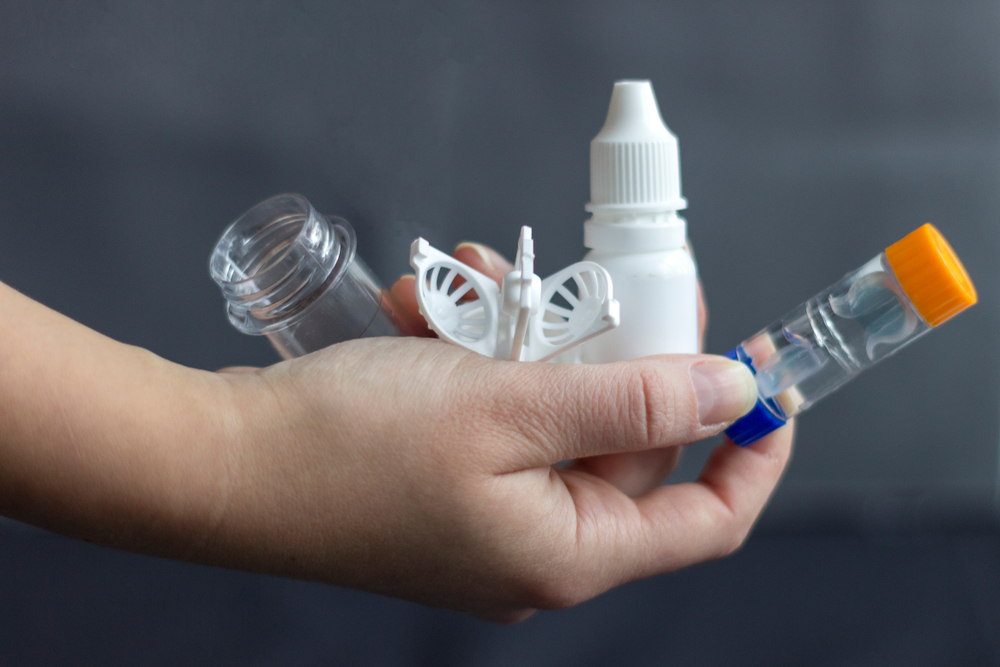
Specialty contact lenses can be life-changing for patients who need vision correction beyond standard soft lenses. Whether you’ve been fitted with scleral lenses, rigid gas permeable (RGP) lenses, or hybrid lenses, adjusting to a new lens type can take time and patience. The good news is that with the right approach, most patients adapt successfully and enjoy clearer, more comfortable vision. Here are some helpful tips to make the transition to your new specialty contact lenses as smooth as possible.
Give Yourself Time to Adjust
Unlike regular soft contact lenses, specialty lenses often require an adaptation period. It’s normal to notice lens awareness, mild discomfort, or visual fluctuations during the first few days or weeks. Your eyes and eyelids need time to adjust to the new lens design and materials. Follow the wearing schedule recommended by your eye doctor, gradually increasing wear time rather than wearing the lenses all day right away.
Follow Cleaning and Care Instructions Carefully
Proper lens care is essential for comfort, eye health, and long-term success with specialty lenses. Always use the cleaning and storage solutions recommended by your provider, as different lens types require specific care routines. Avoid substituting solutions unless approved by your eye doctor, and never use tap water on your lenses. Clean hands, clean lenses, and clean storage cases make a significant difference in comfort and safety.
Practice Insertion and Removal
Specialty lenses may feel more challenging to insert and remove at first, especially scleral or rigid lenses. Take your time practicing the techniques demonstrated during your fitting appointment. Using a mirror, proper lighting, and any recommended tools can make the process easier. With consistent practice, most patients find insertion and removal become quick and routine.
Use Lubrication When Needed
Dryness or mild irritation can occur during the adjustment period. Your eye doctor may recommend preservative-free lubricating drops or saline to enhance comfort, especially for scleral lens wearers. Only use products approved for your specific lens type, and avoid over-the-counter drops that may not be compatible.
Communicate Any Issues Promptly
If you experience persistent discomfort, redness, blurry vision, or difficulty wearing your lenses for the recommended amount of time, don’t ignore it. Specialty lenses are highly customized, and small adjustments can make a big difference. Communicating concerns early allows your provider to fine-tune the fit or address any issues before they become bigger problems.
Attend Follow-Up Appointments
Follow-up visits are a critical part of the specialty lens fitting process. These appointments allow your eye doctor to evaluate how the lenses are fitting, how your eyes are responding, and whether any modifications are needed. Skipping follow-ups can delay adaptation and affect long-term success.
Get Personalized Specialty Contact Lens Care
Specialty contact lenses offer advanced solutions for complex vision and eye health needs, but they require time, proper care, and ongoing communication with your eye doctor. By following recommended wear schedules, maintaining excellent lens hygiene, and attending follow-up visits, you can adapt more comfortably and enjoy the full benefits of your new lenses.
If you’re new to specialty contact lenses or considering them as an option, Dussan Eye Care is here to help. Schedule a consultation to learn whether specialty contact lenses are right for you and receive personalized guidance every step of the way. Visit our office in Long Island City, New York, or call (718) 784-3960 today.


Office Hours
- Monday 11:00am - 5:00pm
- Tuesday 11:00am - 6:00pm
- Wednesday 11:00am - 6:00pm
- Thursday 11:00am - 6:00pm
- Friday 11:00am - 6:00pm
- Saturday 11:00am - 3:00pm
- Sunday Closed
© 2026 Dussan Eye Care | All rights Reserved | Accessibility Statement | Privacy Policy | Sitemap
Powered by:
