


Why Is My Child’s Vision Worsening So Fast? Summer Screen Time and Nearsightedness in Long Island City
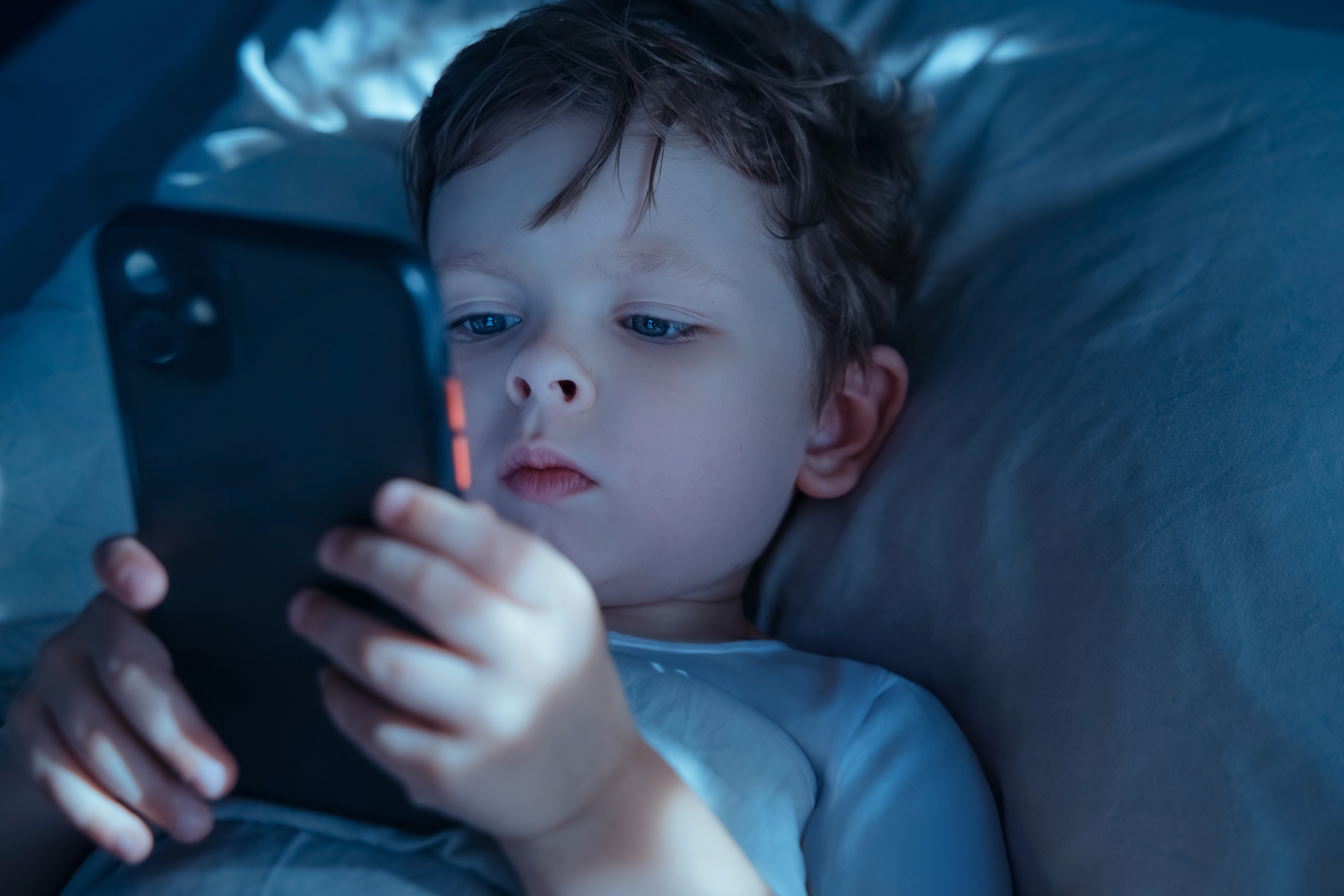
If your child’s glasses prescription seems to change every year, you may be wondering why their vision is worsening so fast. Nearsightedness, also called myopia, often begins in childhood and can progress as the eyes grow. Summer can make the issue more noticeable because kids may spend more time on tablets, phones, video games, and close-up activities.
At Dussan Eye Care in Long Island City, we help families understand myopia, monitor prescription changes, and explore options that may help slow progression.
What Is Myopia?
Myopia is a vision condition that makes faraway objects look blurry while nearby objects remain clearer. A child with myopia may see a book or phone easily but struggle to see the board at school, road signs, or a ball during sports.
Myopia often develops when the eye grows too long from front to back. When this happens, light focuses in front of the retina instead of directly on it. Standard glasses can correct blurry distance vision, but they do not always address how quickly the eye continues to change.
Why Summer Screen Time Can Make Parents Notice Changes
Summer break can shift a child’s routine. Without a school schedule, many children spend more time indoors using digital devices, reading, drawing, or doing close-up activities. More near work does not guarantee that a child’s myopia will worsen, but long periods of close focus can contribute to visual strain and may be part of a larger pattern.
In Long Island City, where many families balance apartments, summer programs, travel, and busy work schedules, screen time can become an easy default. A summer eye exam can help determine whether your child’s vision has changed and whether myopia management should be considered.
Signs Your Child May Be Becoming More Nearsighted
Children do not always know how to explain blurry vision. Some assume that everyone sees the same way they do. Parents may notice changes in behavior before a child complains.
Watch for signs such as:
- Squinting to see the TV, board, or signs
- Sitting closer to screens
- Holding books or devices very close
- Complaints that glasses no longer work well
- Headaches or tired eyes after near work
- Trouble seeing during sports or outdoor play
- Frequent prescription changes
- Avoiding activities that require clear distance vision
If these symptoms sound familiar, it may be time for a comprehensive eye exam.
Why Fast Progression Matters
Myopia is not just a glasses issue. When nearsightedness progresses, the eye may continue to lengthen. Higher levels of myopia can increase the risk of certain eye health concerns later in life, including retinal problems, glaucoma, and myopic macular changes.
This does not mean every child with myopia will develop serious eye disease. It does mean that regular monitoring and early care are important. The goal is to protect clear vision now while supporting long-term eye health.
What Is Myopia Management?
Myopia management is a personalized approach designed to slow the progression of nearsightedness in children. Your child’s eye doctor may evaluate prescription history, eye health, family history, lifestyle, visual habits, and how quickly vision is changing.
Depending on your child’s needs, options may include specialty contact lenses, orthokeratology, prescription eye drops, or other treatment strategies. The right plan depends on your child’s age, prescription, maturity, and comfort level.
Healthy Habits During Summer
While professional myopia management is important, daily habits can also support your child’s visual comfort. Encourage regular screen breaks, outdoor time, good lighting, and a comfortable reading distance. A simple routine can make summer screen time easier on the eyes.
Parents can also set device limits and encourage breaks between close-up activities. These habits do not replace an eye exam, but they can support a healthier visual routine.
When To Schedule An Exam
Summer is a practical time to schedule a pediatric eye exam because it gives families a chance to address prescription changes before school starts again. If your child’s vision seems worse, their glasses no longer help, or myopia runs in your family, an evaluation can give you clearer answers.
To schedule a pediatric eye exam or myopia management consultation, contact Dussan Eye Care in Long Island City, NY at 10-16 50th Ave, Long Island City, NY 11101, or call (718) 784-3960.


Office Hours
- Monday 11:00am - 5:00pm
- Tuesday 11:00am - 6:00pm
- Wednesday 11:00am - 6:00pm
- Thursday 11:00am - 6:00pm
- Friday 11:00am - 6:00pm
- Saturday 11:00am - 3:00pm
- Sunday Closed
© 2026 Dussan Eye Care | All rights Reserved | Accessibility Statement | Privacy Policy | Sitemap
Powered by:
